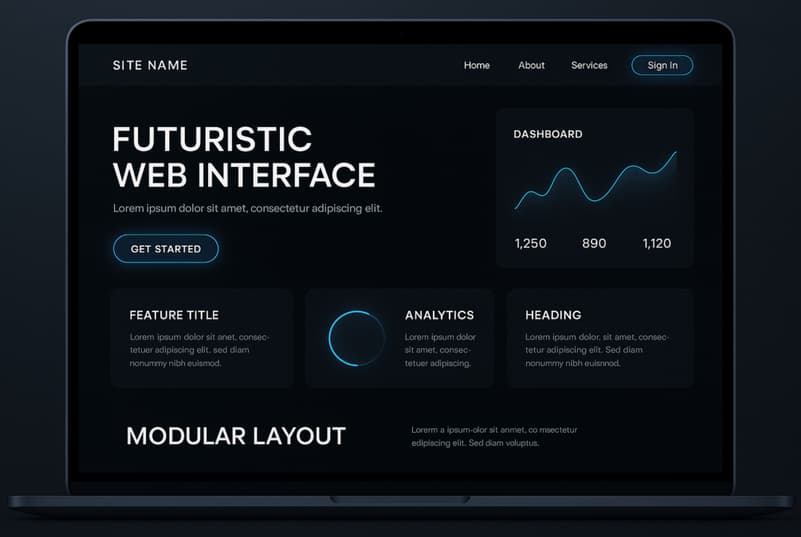
Web Design Trends 2026: What Will Shape the Next Digital Experience
Web design in 2026 is moving fast. AI is pushing personalization, interfaces are getting lighter, motion is becoming smarter, and accessibility is no longer optional. Businesses that rely on outdated layouts or generic templates will fall behind quickly because users now judge a website the same way they judge a product: by the experience, not the features.
Below is a clear breakdown of the most important trends shaping web design in 2026 and how brands should respond.
1. Hyper-Personalized Interfaces
AI-driven interfaces are no longer futuristic – they’re becoming the default. Websites in 2026 actively adapt to user behavior:
- Layout blocks rearrange depending on what the visitor interacts with.
- Product pages highlight recommended content instantly.
- CTAs adapt to user intent (first-time visitor, returning customer, high-intent lead, etc.).
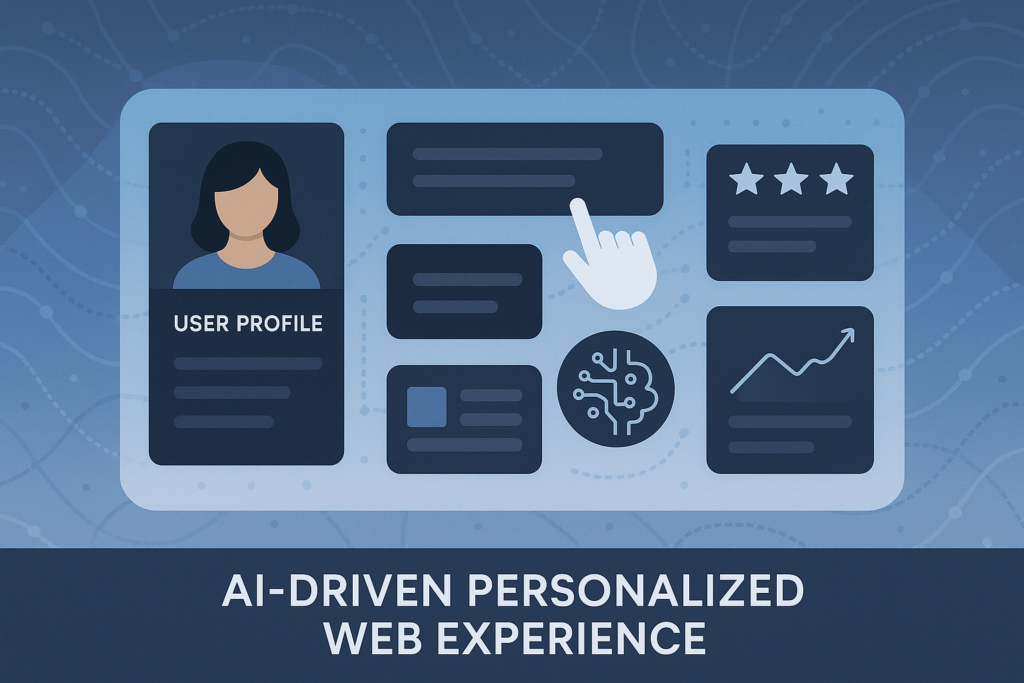
This shift isn’t about gimmicks. It’s about reducing friction. The less a user needs to search for what they want, the higher the conversions.
Why it matters:
Personalization has moved from “nice to have” to “core expectation,” especially in SaaS, e-commerce, and media platforms.
2. Ultra-Minimalistic Layouts With Strong Visual Hierarchy
Minimalism isn’t new, but in 2026 it becomes stripped down even further. Designers are removing anything that distracts from the main message:
- Fewer colors
- Fewer decorative elements
- Fewer competing CTAs
But minimalism doesn’t mean boring. Strong hierarchy – large headlines, bold typography, and clear contrast – creates a clean user path from entry point to action.
The purpose: clarity. Users scroll faster, scan faster, and bounce faster. If design doesn’t communicate instantly, it loses them.
3. Micro-Interactions That Support, Not Distract
Micro-interactions used to be flashy add-ons. In 2026 they become subtle, functional cues:
- Buttons reacting with micro-vibrations or soft pulses
- Hover effects that reveal context instead of decorative animation
- Scroll-triggered transitions that direct user attention
Users no longer tolerate heavy, slow animations. They want movement that has a purpose – guiding, confirming, or clarifying.
Key takeaway: motion becomes a communication tool, not entertainment.
4. Generative Design Elements
Generative visuals – AI-built backgrounds, patterns, icons, or illustrations – are appearing across modern websites. Designers use AI not to replace creativity, but to produce endless variations quickly.
Where it works best:
- Dynamic hero backgrounds
- Custom textures or patterns
- Adaptive illustrations based on theme or season
This trend allows brands to keep their visual identity fresh without constantly reinventing the wheel.
5. Voice-Friendly Interface Structures
With voice assistants built into browsers and operating systems, websites must be structured so users can navigate hands-free.
This includes:
- Clear semantic markup
- Logical reading order
- Voice-optimized menu triggers
- Shorter command-friendly headings
Even if most users browse visually, voice-enabled navigation is becoming a standard accessibility and usability feature.
6. Stronger Accessibility Standards
Accessibility is no longer treated as an optional compliance checkbox. In 2026, companies face real consequences – legal and reputational – if their digital experience isn’t inclusive.
Website trends reflect that shift:
- Higher color contrast
- Larger, adaptive typography
- Keyboard-first navigation
- Accessible form validation with meaningful error messages
This trend has a simple foundation: a website that works for everyone outperforms a website that excludes part of its audience.
7. Modular, Component-Driven Design Systems
Design teams are moving toward rigid, scalable systems built on interchangeable components. This makes websites:
- Faster to build
- Easier to maintain
- Consistent across pages
- More stable for long-term growth
Think of it as LEGO for web design: every block fits, everything stays cohesive, and updates can be rolled out instantly.
With companies redesigning more frequently, modularity has become a necessity—not a preference.
8. Dark Mode as a Standard, Not an Alternative
Dark mode is now expected. Users don’t want a single version – they want both, with seamless switching. Modern sites include:
- Auto-switching based on OS settings
- Custom-optimized color palettes (not inverted designs)
- Dark-mode-specific shadows, gradients, and motion cues
Good dark mode improves readability instead of just “looking cool.”
9. Fluid, Edge-to-Edge Layouts
Screen sizes are everywhere – from ultra-wide monitors to foldable devices. Websites in 2026 stretch dynamically without breaking layout structure.
Common elements:
- Full-width sections that adapt smoothly
- Responsive typography with fluid scaling
- Content blocks that rearrange intelligently
Static breakpoints aren’t enough anymore. Designs must behave like liquid.
10. Authentic Visuals Over Stock Imagery
Users detect generic stock photos instantly. That kills trust. New design trends focus on:
- Real photography
- Behind-the-scenes visuals
- Brand-specific illustrations
- Photos shot in consistent style
Authenticity outperforms polished perfection because users crave transparency.
Final Thoughts
Web design in 2026 is defined by clarity, speed, personalization, accessibility, and authenticity. The industry is stripping away unnecessary complexity and focusing on helping users achieve goals faster with interfaces that feel intuitive and adaptive.
Brands that embrace these shifts will create digital experiences that feel modern, credible, and effortless. The ones that don’t will look outdated before the year even starts.